

The water reuse initiative serving parts of Los Angeles and Ventura counties moved into a clearer financing phase after a $251 million federal WIFIA loan was reported as approved on September 18, 2026. Western Water reported that the U.S. Environmental Protection Agency financing supports the Las Virgenes-Triunfo Joint Powers Authority Pure Water Project, which is planned to convert recycled wastewater from western Los Angeles County and eastern Ventura County into a local drinking water supply Western Water report. For residents, the civic question is not only how much money was secured, but how construction, regulatory review, and public communication will be handled as the project advances.
The project sits at the intersection of public infrastructure, drought planning, and community trust. According to Las Virgenes Municipal Water District, state and federal grants and loans total more than $335 million, including the $251 million WIFIA loan, and the project is designed to produce up to 30% of the region’s annual drinking water needs from a purified local source district financing notice. That figure frames the project as a long-term supply measure rather than a short construction program.
Financing The Water Reuse Initiative
What Changed On September 18, 2026
The reported September 18, 2026 loan approval changed the public finance picture for the water reuse initiative by assigning a major federal loan source to the project. The research record identifies the loan as a $251 million WIFIA loan, with other funding coming from the State Water Resources Control Board and the Clean Water State Revolving Fund. Because the total financing package is listed at more than $335 million, the project’s budget structure relies on multiple public financing channels rather than a single grant.
For local governments and special districts, that mix matters. Loans are repaid over time, while grants reduce the amount that must be financed by ratepayers or future revenues. The research available here does not provide ratepayer cost schedules, repayment terms, or final billing impacts. Without those documents, any estimate of household bill effects would be premature. A cautious civic reading is that residents should separate the confirmed financing amounts from still-unpublished or locally adopted cost allocation decisions.
Why The Funding Source Matters Locally
The WIFIA program is tied to large water infrastructure investment, and the local project’s use of that financing places the Las Virgenes-Triunfo effort within a formal federal infrastructure funding pathway. The public relevance is practical: a confirmed loan can help the project proceed, but it also raises oversight questions about procurement, construction sequencing, debt service, and public reporting.
Local residents in Westlake Village, Calabasas, Agoura Hills, Hidden Hills, and nearby service areas should expect project decisions to be reflected through agency notices, board materials, and construction updates. The research record states that construction information sessions have addressed timelines, pipeline segments, neighborhood impacts, and community questions. Those topics are the correct civic scale for public review because they connect regional water policy to street-level disruption, traffic management, and property access.
Local Water Supply And Regional Resilience
Planned Supply Benefits And Limits
The Pure Water Project is described in the research record as a plan to convert recycled wastewater into a purified local drinking water source. The project is expected to serve about 105,000 customers once fully operational, and the district has stated that the supply could meet up to 30% of annual drinking water needs in the region. Those numbers indicate a meaningful local supply contribution, but they do not mean the area would no longer rely on imported water.
That distinction matters for civic planning. A project that can supply up to 30% of annual needs can reduce exposure to imported-water constraints, but it does not eliminate the need for conservation, emergency planning, watershed protection, or coordination with regional suppliers. Local boards should be judged on how clearly they explain the project’s role within the full water portfolio, including imported supplies, recycled water uses, storage, demand management, and drought restrictions.
Connections To Drought And Wildfire Planning
The research record says the project is intended to improve resilience during droughts and wildfires. That claim is reasonable within the stated design because a local purified water source can provide a supply that is less dependent on distant conveyance systems. Still, resilience is not a single outcome. It depends on whether treatment facilities, pipelines, power supply, and emergency operations plans continue to function under stress.
From a local events and civic engagement standpoint, project briefings should give residents clear, repeated explanations of how recycled wastewater becomes purified water, what treatment barriers are used, and which agencies verify compliance. The research record states that the project completed and certified a Final Program Environmental Impact Report under CEQA by December 2022 after public involvement periods in 2021 and 2022. That prior review is important, but construction-stage communication remains necessary because residents experience infrastructure projects through closures, work hours, utility coordination, and service reliability.
Civic Review, Construction, And Public Questions
Water Reuse Initiative Construction Questions
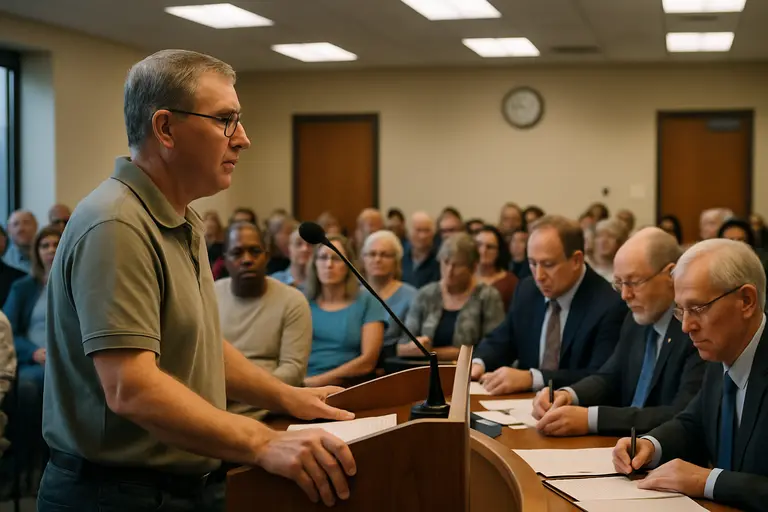
For the water reuse initiative, construction outreach is as important as financing announcements. The research record states that major project construction was formally launched through a contract amendment with Walsh Construction on December 8, 2025. It also notes that a First Neighborhood Construction Information Session was held on August 13, 2026, in Westlake Village, with updates on construction timelines, pipeline segments, neighborhood impacts, and a community question-and-answer format.
Those meetings are where residents can raise grounded questions. Which streets are affected? How long will pipeline work remain in one segment? What are the planned work hours? How will emergency access be maintained? What notice will property owners receive before work begins near driveways or service laterals? The available research does not provide all of those answers, so agencies should continue publishing specific construction notices in advance of work.
Key Records Residents Can Track
A careful resident review should focus on official records rather than broad project claims. Useful documents include board agendas, financing notices, environmental review documents, construction updates, and public meeting materials. The research record indicates that project sponsors have published technical studies online, hosted public hearings, offered facility tours, and scheduled outreach events. Those channels can help residents compare project promises with construction activity and operational milestones.
- Financing: Confirm loan amounts, grant amounts, repayment disclosures, and any future rate actions through agency materials.
- Construction: Review notices for pipeline routes, work hours, traffic control, and expected neighborhood impacts.
- Water quality: Look for treatment, monitoring, and regulatory compliance materials from the project sponsor and regulators.
- Public access: Track hearings, board meetings, workshops, and facility tour opportunities listed by the project team.
Residents seeking regional civic context can also compare this type of water investment with other public-infrastructure coverage through ITPR civic reporting. This platform offers valuable insights by evaluating whether agencies provide clear records, accessible meetings, and timely updates before major decisions are made.
Community Engagement For The Water Reuse Initiative
Trust-Building Through Public Contact
The research record describes several engagement efforts tied to the water reuse initiative, including demonstration facility tours, technical studies, hearings, neighborhood information sessions, and tasting events in 2022 and 2023 that used purified water in items such as gelato, beer, and coffee drinks. Those events are not substitutes for formal regulatory review, but they can make technical water treatment questions easier for residents to evaluate.
Public engagement should remain evidence-based. Residents need clear explanations of treatment steps, monitoring, emergency protocols, and the difference between recycled wastewater, purified water, and delivered drinking water. Agencies should avoid assuming that a single open house resolves public concern. Repeated communication is usually needed because construction impacts, financing questions, and water-quality questions arise at different stages.
What Civic Participation Should Ask Next
As of September 21, 2026, the confirmed public record in the research provided supports three careful conclusions. First, the project has secured a major financing package that includes a reported $251 million WIFIA loan. Second, the project is intended to supply a local purified drinking water source that could meet up to 30% of regional annual demand. Third, community engagement has already included environmental review periods, facility tours, public hearings, technical materials, tasting events, and neighborhood construction sessions.
The next civic task is disciplined follow-up. Residents and local officials should ask for specific construction schedules, plain-language water quality materials, rate and repayment information when available, and regular public updates tied to board meetings or project milestones. The project’s value will not be measured only by its funding total. It will also be measured by how clearly the sponsoring agencies communicate impacts, how consistently they answer resident questions, and how transparently they report progress from construction through operation.