

The Lawrence Park upgrades moved from planning into construction activity after Houston Mayor John Whitmire and the Houston Parks Board held a ceremonial groundbreaking at Lawrence Park in the Heights on September 25, 2026, according to Axios Houston’s September 25 report. The event marked the launch point for Phase One of Let’s Play Houston, a citywide neighborhood park investment effort. As of October 12, 2026, the supported public record shows that the project had started but had not been reported as complete.
For residents near Lawrence Park, the practical change is not only ceremonial. The site is being used as the first visible marker for a larger public-private park program. The official record for the launch describes a $60 million initiative intended to upgrade 25 neighborhood parks across Houston over two years, according to the OpenTexas press-conference record. That scale places the Heights project inside a broader discussion about how Houston uses neighborhood parks as public-service infrastructure.
Lawrence Park Upgrades And Program Scope
Lawrence Park Upgrades Timeline
The available high-authority sourcing establishes three key timeline points. First, the Lawrence Park groundbreaking occurred on September 25, 2026. Second, the project was the first Phase One site publicly marked under Let’s Play Houston. Third, as of October 12, 2026, the work should be treated as active rather than complete because the cited reporting described the launch and did not report completion.
That distinction matters for public expectations. A groundbreaking does not mean residents should expect all access, equipment, or site conditions to be final. It means the project has crossed a civic threshold: elected leadership, the Houston Parks Board, and project partners have moved from announcing the program toward construction delivery. Residents should judge progress through posted construction information, city or Houston Parks Board updates, and any later meeting records that specify completion dates or site reopenings.
How Lawrence Fits The 25-Park Program
The Lawrence Park upgrades are not a stand-alone park refresh. They are part of Let’s Play Houston’s stated plan to direct $60 million toward 25 neighborhood parks over two years. That structure matters because neighborhood parks compete with drainage, streets, libraries, solid waste, public safety facilities, and other city service needs. A public-private model can move park work forward, but it also requires clear reporting so residents can see which locations are next, what scope has been approved, and how public dollars are paired with non-city funding.
Axios Houston reported that Greenwood, Andover, Haviland, and Montie Beach were identified as additional parks expected to enter construction after Lawrence Park. The exact start dates for those four parks were not provided in the cited record. That uncertainty should be handled plainly. The next civic step is not to assume identical schedules across all 25 parks, but to watch for location-specific notices, construction contracts, board actions, or city communications for each park.
Funding Model And Civic Accountability
Why Public-Private Funding Needs Clear Records
The official Let’s Play Houston record describes the program as a $60 million public-private investment. That description is significant, but it is not the same as a full project ledger. The source set approved for this analysis does not provide a verified breakdown of every funding source, the final Lawrence Park construction amount, or a park-by-park allocation table. For cautious civic coverage, those details should not be filled in from unsupported assumptions.
Residents have a reasonable interest in three questions as Phase One proceeds. Which entity is responsible for each dollar? Which improvements are base scope and which depend on alternates, donations, or later approvals? Which agency or partner accepts maintenance responsibility after construction? These questions are routine in local infrastructure work. They are especially relevant for parks because capital improvements can create future operating costs, including grounds care, equipment inspection, lighting maintenance, and repairs after heavy use.
- Budget visibility: Public records should show how the $60 million program is divided across sites when allocations are finalized.
- Schedule visibility: Each park needs a dated construction window, not only a program-wide two-year target.
- Maintenance visibility: Residents should know which public or partner entity handles upkeep after improvements open.
For readers examining civic investment models in different locales, coverage from One United Michigan offers insights into how public-service projects are monitored with attention to timelines, responsible entities, and documented actions. This approach is equally important for Houston’s park projects to ensure residents have clear and verified milestones.
Public-Service Implications For Neighborhood Parks
Access, Heat, And Daily Use Questions
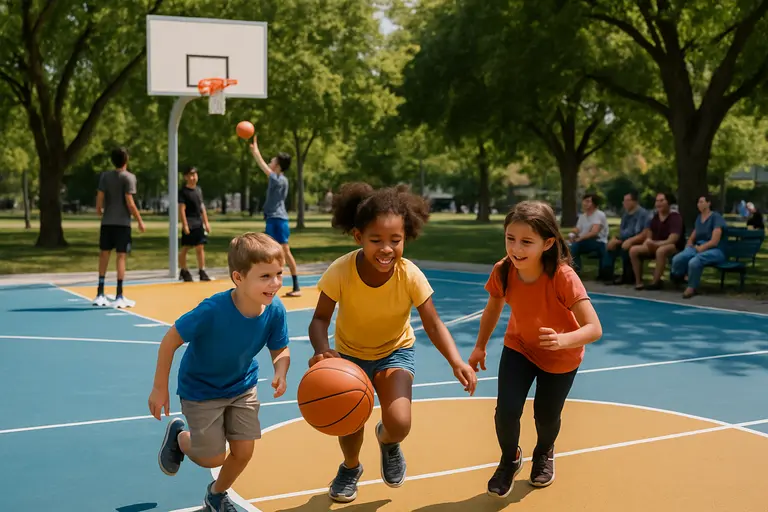
Neighborhood parks are often discussed as recreation assets, but in Houston they also sit within a public-service system shaped by heat, flooding risk, mobility gaps, and uneven access to outdoor space. The approved records for Let’s Play Houston do not provide performance metrics for shade, stormwater detention, tree canopy, accessibility upgrades, or heat reduction at Lawrence Park. That means the Lawrence Park upgrades should not be described as delivering specific climate-resilience outcomes until official project documents or post-construction reporting support those claims.
Still, the planning questions are clear. A park project can be evaluated by whether it improves access for children, older adults, nearby trail users, and residents without large private yards. It can also be assessed by whether entrances connect safely to sidewalks and trails, whether seating and shade are sufficient for summer use, and whether the site remains manageable for maintenance crews. These are measurable questions, and the city or project partners can answer them through plans, inspection records, and completion notices.
Why The First Site Sets Expectations
Because Lawrence Park is the first publicly launched Phase One site, it will shape expectations for later work at Greenwood, Andover, Haviland, Montie Beach, and the remaining parks named under the 25-site program. A clear delivery process at Lawrence Park would give residents in other neighborhoods a better basis for asking informed questions: When will construction begin? What will be closed? How long will work last? What improvements are guaranteed? Who receives public comments during construction?
That type of transparency is also useful for Houston’s long-term resilience planning. Park investments may support public health, outdoor recreation, and neighborhood gathering space, but those benefits are strongest when project records identify the work being built and the maintenance plan that follows. Without that documentation, residents are left with announcements rather than accountability.
The local context is also connected to earlier coverage of Let’s Play Houston. A related Houston LWS Forum report on neighborhood park updates offers additional background on the initiative’s civic framing. The current Lawrence Park phase now gives residents a more specific project to track through completion.
Lawrence Park Upgrades And Civic Follow-Through
What Residents Can Track Next
The most useful next step is document-based tracking. Residents near Lawrence Park should look for dated public updates that confirm construction status, access restrictions, project scope, and substantial completion. Residents near the other named parks should watch for site-specific construction notices rather than assuming the Lawrence Park schedule applies elsewhere.
The Lawrence Park upgrades also offer a test of how Houston communicates capital work in neighborhood parks. A $60 million, 25-park program can be significant for daily public services, but its value will depend on delivery, upkeep, and clarity. As of October 12, 2026, the supported facts show a launched program, an active first site in the Heights, and additional parks identified for later construction activity. The remaining task for city and partner agencies is to keep residents informed with dated records as work proceeds.