

Annual Action Plan meetings are a formal way for Houston residents to comment on how the City of Houston Housing and Community Development Department, or HCD, plans and reports the use of federal housing and community development funds. As of November 3, 2026, the city meeting windows identified in the available official source set for the 2026 plan cycle had already passed, so residents should treat this as a status update and preparation brief rather than an invitation to attend a future event.
Annual Action Plan Meetings Status
Annual Action Plan Meetings Are Not Future Events
The timing matters for residents, civic clubs, tenant groups, and neighborhood organizations that track housing, shelter, infrastructure, and service funding. The official City of Houston draft record for the 2026 Annual Action Plan states that the public review and comment period for the draft ran from Monday, March 9, 2026, through Wednesday, April 8, 2026, and that spring community meetings were scheduled for Tuesday, March 31, 2026, at the Alief Neighborhood Center and Tuesday, April 7, 2026, in a virtual format, according to the city’s 2026 Annual Action Plan draft. Those dates were before November 3, 2026, so they should be described in the past tense.
The same source set does not provide a verified future meeting date after November 3, 2026. That is a practical caution, not a statement that HCD will hold no future meetings. Housing planning notices can be issued later in a program cycle, and residents should check HCD’s official channels before making plans. For the 2026 Program Year, the official draft described the program year as July 1, 2026, through June 30, 2027, and listed a proposed federal funding budget of $51,547,917.98, plus $181,483.20 in program income. Those figures show why residents often track these hearings even after a comment window has closed.
What The 2026 City Record Shows
Spring Review And Comment Window
The spring record is the clearest official source available for the 2026 Annual Action Plan process. It shows that Houston used a 30-day draft review and comment period, paired with public meeting opportunities. That structure gives residents two separate civic tasks: first, reading the draft plan while it is posted; second, submitting comments during the window when the city can include them in the record. Once the window has closed, later comments may still be useful for future planning, but they are not the same as formal comments submitted during the stated review period.
For neighborhood-level organizers, the location and format of meetings matter. An in-person meeting at a neighborhood center can support residents who prefer face-to-face discussion, while a virtual meeting can reduce travel barriers for residents with work, caregiving, disability, or transportation limits. The official record for the spring meetings shows both formats were used. That mix is relevant for future requests about access, since residents can ask HCD to keep multiple participation formats in later planning cycles.
Funding Areas Connected To The Plan
The Annual Action Plan is tied to federal entitlement grants that support local housing and community development work. HCD identifies Community Development Block Grant funds, HOME Investment Partnerships Program funds, Housing Opportunities for Persons with AIDS funds, and Emergency Solutions Grant funds as grant programs connected to city housing and community development work on its HCD department page. In practical terms, the plan process is not a general listening session. It is connected to specific funding streams, reporting duties, and program priorities.
That distinction should shape how residents prepare comments. A comment that names a specific housing need, service gap, or access barrier is easier to connect to the plan record than a broad statement about city conditions. Residents can also ask how proposed spending aligns with neighborhood needs, shelter demand, preservation of affordable housing, or access to services. The official sources reviewed here support the existence of the grant programs and the draft budget; they do not, by themselves, verify outcomes for individual neighborhoods.
How Residents Can Use The Record
Preparing Comments Before The Next Notice
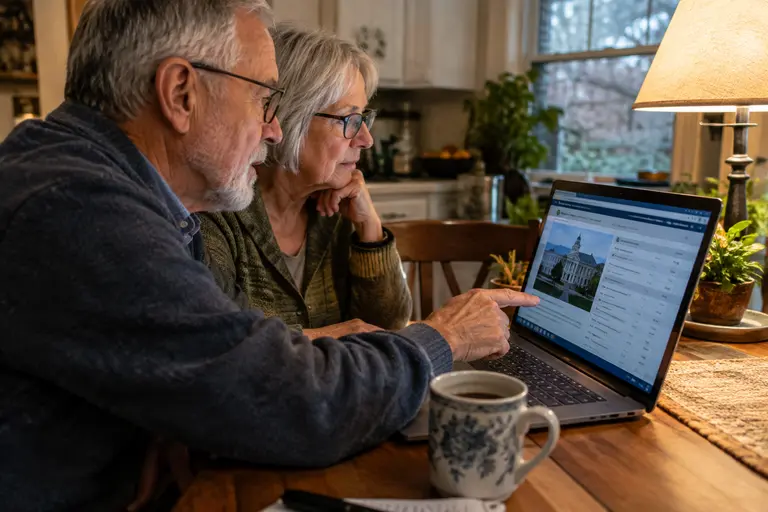
Although the 2026 spring window has closed, residents do not need to wait for the next notice to prepare. Civic groups can review past meeting dates, identify which format worked for their members, and draft comments that can be updated when HCD posts a new plan, performance report, or hearing notice. The strongest comments usually connect a local issue to a plan category and ask a clear question that can be answered in the public record.
A cautious preparation checklist can help Houston residents avoid missing the next formal window:
- Track HCD notices for plan drafts, performance reports, public hearings, and comment deadlines.
- Keep comments tied to housing, community development, homelessness services, fair housing, or related eligible uses.
- Ask for language access, captioning, or other accommodations early when they are needed.
- Save written comments and confirmation records so neighborhood groups can follow up later.
Residents who want more background on how local public comment access works can compare this process with a related Houston civic explainer on public comment period access. The same principle applies across city processes: the date, submission method, and official record determine whether a comment is part of the formal decision file.
Coordinating Without Replacing Official Sources
Community organizations, civic clubs, and local networks can help residents share reminders about these processes. For those interested in a broader perspective, a related network site, Trinity Chamber, offers additional resources on organizing civic efforts, while still emphasizing the importance of HCD as the leading authority for Houston plan deadlines. This separation reduces the risk that residents rely on an outdated calendar item or a reposted notice that has changed.
For sustainable neighborhood planning, the Annual Action Plan process can also be used to connect housing stability with practical civic concerns such as access to transit, drainage-sensitive redevelopment, public facilities, and service locations. The official sources cited here do not rank those priorities for every neighborhood. They do show that the plan is a formal channel for comments tied to federally funded community development work.
Annual Action Plan Meetings And Next Civic Steps
As of November 3, 2026, residents should treat the listed 2026 Annual Action Plan meetings and the March 9 to April 8 draft comment period as concluded. The next useful step is not to plan for a past meeting. It is to monitor HCD for the next posted plan document, performance report, hearing notice, or comment period connected to the FY 2027 Annual Action Plan or later planning cycles.
For civic associations, a practical next step is to assign one person to check official HCD postings on a regular schedule and another person to collect neighborhood comments before the city opens a formal window. That approach gives residents more time to translate local concerns into specific, record-ready comments. It also helps avoid last-minute participation, which can limit access for residents who need transportation planning, translation, captioning, or help reviewing technical documents.
The public record reviewed for this article supports a limited but clear finding: Houston’s formal spring 2026 review period and listed spring public meetings have already taken place, the draft plan tied the program year to July 1, 2026, through June 30, 2027, and the funding involved was significant enough to merit continued neighborhood attention. Residents should rely on HCD for the next verified date before describing any later Annual Action Plan meetings as scheduled.