

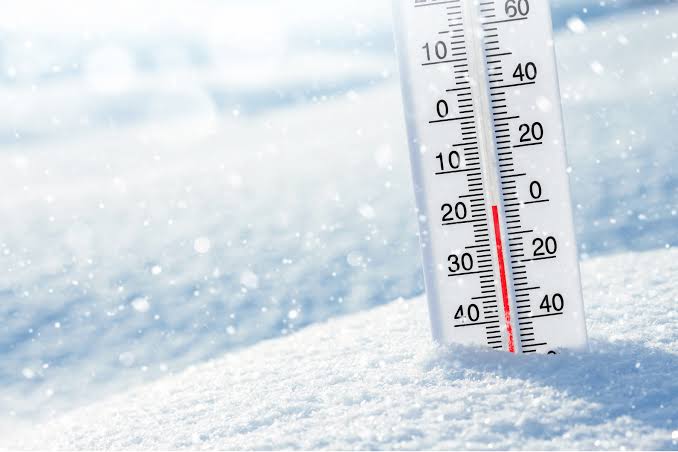
Sudden temperature drops alter the physical properties of urban drainage. When soil water freezes, natural porosity vanishes. A functioning rain garden acts like solid concrete during a hard freeze. Planners must design cold weather green infrastructure to handle this temporary loss of infiltration. Texas Gulf Coast developers frequently ignore winterization, leaving sites vulnerable to sudden freezes. Integrating cold-climate engineering protects expensive infrastructure from frost damage and chemical runoff. Checking historical freeze data from NOAA provides the exact temperature baselines required to plan for these sporadic events.
Mitigating Frost Depth in Bioretention Cells
Engineers must track the frost line. Ice formation physically blocks water from moving through engineered soil media. Any winter rain hitting a frozen bioretention cell immediately becomes surface runoff. Northern municipalities solve this by placing underdrains far below the maximum frost depth. Gulf Coast designers can adapt these northern strategies for local projects.
Reading our technical articles details how modifying the soil matrix prevents complete freeze-over. Fast-draining systems empty before the temperature drops, removing the moisture that causes structural frost heave. The University of New Hampshire Stormwater Center publishes extensive performance data proving that well-drained organic soils resist deep freezing far better than compacted clay.
Managing De-Icing Chemicals and Chloride Loads
Winter storms bring salt application to commercial parking lots and municipal roadways. Rock salt melts the ice and flows directly into nearby biofiltration basins. High chloride concentrations kill native vegetation and release trapped heavy metals back into the groundwater supply. Design teams must protect the primary biological filters from this chemical shock.
Planners build shallow pre-treatment forebays to capture the initial salty slush. Maintenance crews can easily remove the contaminated sediment from these isolated concrete traps before the spring thaw pushes it into the sensitive plant roots. Reviewing urban water quality reports from the United States Geological Survey reveals exactly how unchecked chloride runoff degrades local watersheds.
| Winter Threat | Physical Impact | Engineering Solution |
| Frozen Soil Media | Zero infiltration capacity | Deep underdrains and high-porosity blends |
| De-Icing Salt | Vegetation death and heavy metal release | Isolated pre-treatment forebays |
| Frost Heave | Pavement buckling and curb damage | Open-graded aggregate sub-bases |
Permeable Pavement Durability in Freezing Conditions
Standard concrete cracks when trapped water expands into ice. Permeable interlocking concrete pavement survives freeze-thaw cycles effectively. The intentional void spaces between the pavers give the ice physical room to expand without applying pressure to the concrete units. The deep aggregate sub-base drains surface water quickly, keeping the pavement dry before the overnight freeze hits.
Planners must specify the correct aggregate angularity to keep the sub-base structurally sound. The American Society of Civil Engineers pavement guidelines dictate exact structural metrics for base layers exposed to freezing temperatures. Following these strict limits keeps the surface flat and safe for commercial vehicle traffic during winter operations.