

Houston’s gas station proximity debate moved from neighborhood concern to formal civic review on June 23, 2026, when City Council directed the city’s legal, health, and public works departments to examine regulatory tools for limiting how close fuel stations may be to residential areas, according to the June 23 Council meeting record. The same record described resident requests for a 90-day administrative hold on new gas station permits with fuel-related activity near residential lot lines, while the city awaited a health department-led benzene study expected to conclude in October 2026.
The issue is local, practical, and time-sensitive for residents near proposed sites. It affects how permit applications are reviewed, how health concerns are evaluated before approvals, and how City Hall may define separation between residential uses and fuel infrastructure. The policy discussion also tests how Houston can address site-specific land-use conflicts through ordinances, department review, and Council direction rather than through a traditional zoning structure.
Houston gas station proximity Proposal
What Council Directed On June 23, 2026
The Council action did not create a final setback rule on June 23, 2026. It directed city departments to explore options. That distinction matters because residents should not treat the June action as an adopted ban, a final ordinance, or an automatic denial of pending applications. Based on the meeting record, the directive assigned legal, health, and public works staff to assess available tools and public-health information before Council considers a more defined policy path.
Public testimony at the same meeting focused on a requested 90-day administrative hold for new gas station permits within 200 feet of residential lot lines. The meeting record also connected the request to concerns about a proposed 24-hour station at 1909 Washington Avenue. For residents, the near-term civic step is not only whether a single project moves forward, but whether Houston creates a consistent citywide method for reviewing fuel stations next to homes.
gas station proximity And The 200-Foot Question
The 200-foot figure is central because it gives Council and departments a measurable policy option. A distance rule can be easier to administer than a case-by-case standard, but it still requires definitions. City staff would need to decide what counts as the measurement point, such as a residential lot line, a fuel dispenser, a vent, an underground tank area, or another site feature. The June 23 record identified residential lot lines in public requests, while later reporting described fuel pumps within 200 feet of homes as part of the proposed pause.
The gas station proximity debate also raises questions about pending applications. If a temporary hold were adopted, residents would need clarity on whether it applies only to new filings, to applications already under review, or to projects awaiting final administrative approval. Without that clarity, a pause could create disputes between neighborhood groups, applicants, and city departments over timing and vested rights. Those legal questions are likely part of why Council directed multiple departments to review the issue rather than adopting a permanent rule immediately.
Health, Safety, And Permit Review Issues
Benzene Study Timing
Health concerns in the Council record centered on benzene exposure associated with gasoline fumes and fuel infrastructure. The June 23 record states that a health department-led benzene study was expected to conclude in October 2026. Until that study is complete, Council has limited publicly cited local evidence in the cited record for setting a Houston-specific setback standard. That does not mean resident concerns lack relevance; it means the city’s eventual rulemaking may depend on how the health department frames risk, exposure distance, and mitigation options.
For residents, gas station proximity is not only about a visible building or driveway. It may involve emissions, venting, fuel delivery activity, lighting, late-hour vehicle trips, and noise. The city’s review, as described in the June 23 record, appears positioned to weigh legal authority alongside health and public works considerations. That structure suggests any future policy could combine permit screening, distance requirements, operational conditions, or site-design standards, depending on what city attorneys and departments determine is enforceable.
What A Temporary Hold Could Do
In July 2026, Council Member Edward Pollard formally proposed a 90-day moratorium to pause approvals of gas station applications with fuel pumps within 200 feet of homes so the city could assess public safety, environmental, and quality-of-life effects, according to the Houston Business Journal report. A moratorium, if adopted, would be a temporary administrative tool rather than a permanent policy. Its main function would be to preserve time for review before additional permits are approved under existing rules.
A temporary hold can be useful when a city is considering new standards, but it also requires narrow drafting. The city would need to specify the applications covered, the length of the pause, the departments responsible for implementation, and any exceptions. If the hold is too broad or unclear, it may create legal or administrative challenges. If it is too narrow, it may not address the resident concerns that prompted the Council discussion.
Practical Effects For Nearby Residents
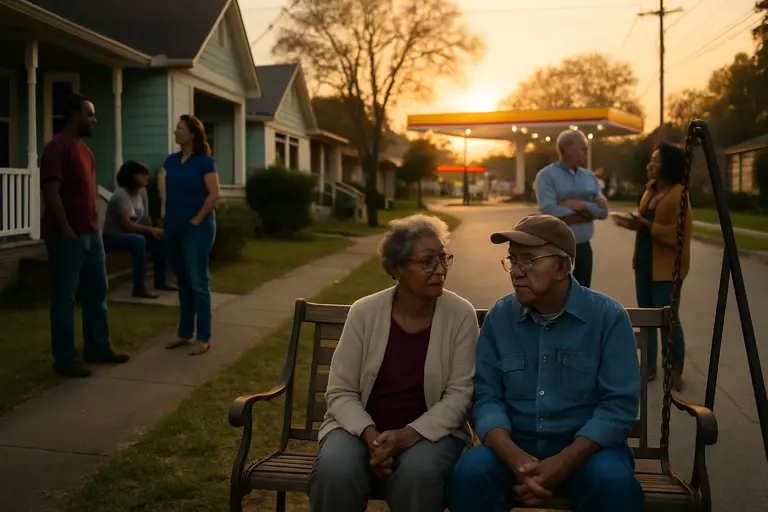
How Residents Can Track The Process
Residents affected by proposed sites should track Council agendas, committee discussions, public hearing notices, and permit-related department communications. The June 23 action placed the issue within the city process, but the next meaningful decisions would depend on when staff return with recommendations and whether Council places a moratorium or ordinance on an agenda. A related local civic review of agenda tracking is available through this site’s coverage of a Houston Council session, which may help residents follow how items move from discussion to action.
Residents can also organize comments around specific policy questions. Useful input may identify the distance from homes, the location of proposed pumps or vents, expected operating hours, driveway placement, and nearby vulnerable uses. General opposition may be heard, but precise comments are easier for city departments to evaluate against code language. If the city develops gas station proximity rules, mapped distances and site-plan details will likely matter more than broad statements of concern.
Questions To Ask Before A Rule Is Adopted
Several questions remain open as of August 26, 2026. Council had directed a departmental review, but the cited records do not show a final citywide distance ordinance already in effect. Residents should ask whether the city will use a fixed setback, a temporary moratorium, permit conditions, or a combination of tools. They should also ask whether any rule would address existing stations, only new stations, or substantial modifications to existing sites.
For property owners and civic groups, documentation is useful. That can include site plans, lot-line measurements, photos of adjacency conditions, and written comments tied to agenda items. For applicants, clarity is also needed because permit expectations can affect financing, design, and project timing. A cautious policy process should give residents a meaningful chance to comment while giving departments clear standards to administer.
- Check whether a proposed station is within 200 feet of residential lot lines or homes, depending on the standard under discussion.
- Watch for Council agenda language that refers to a moratorium, administrative hold, fuel pumps, residential lot lines, or health department findings.
- Submit comments that identify specific site features, including dispensers, vents, driveways, lighting, and hours of operation.
- Ask whether the October 2026 benzene study will be posted publicly and whether it will be tied to any ordinance draft.
Resident Next Steps On gas station proximity
The most immediate civic task is to separate what has happened from what remains pending. On June 23, 2026, Council directed departments to examine regulatory options. In July 2026, Council Member Pollard proposed a 90-day pause for certain applications near homes. As of August 26, 2026, the cited materials do not establish that a permanent citywide setback ordinance has already been adopted. That means residents should keep attention on agenda postings, staff recommendations, and the expected October 2026 health study.
For residents near proposed fuel stations, gas station proximity policy could affect whether permit approvals slow, whether applicants must adjust site layouts, and whether the city uses health findings to justify clearer separation from homes. The outcome is not settled, and the enforceability of any future rule will depend on the exact ordinance language and departmental procedures. Civic resource networks, including related community information sites such as a related site in the same network, can help residents compare how local institutions present public-facing information, but Houston residents should rely on City Council records and city department notices for decisions on this specific policy.