

MMSC Renovations remain a planning and public-input issue for Houston residents who use, support, or track the Metropolitan Multi-Service Center. The latest research provided for this article confirms capital funding, public listening sessions, and identified facility needs, but it does not confirm a construction start date after April 2025. That distinction matters for residents who depend on adaptive recreation programs, accessible public services, and reliable information about whether daily access could change during future work.
Funding Status And Civic Process
What MMSC Renovations Funding Covers
The clearest documented change was financial. Houston allocated $11.5 million in capital funding toward renovation, expansion, and redevelopment of the Metropolitan Multi-Service Center, according to Houston Landing. The same report said the money was reallocated from the Freed-Montrose Library renovation and approved by the Montrose Tax Increment Reinvestment Zone 27 on April 21, 2025. For residents, that means the project moved beyond informal discussion, but the available record still points to planning rather than active construction.
That funding level should be read with caution. The Houston Chronicle reported that one critic estimated a full teardown and rebuild, including added levels and a parking structure, could cost around $200 million, while identified needs included improved infrastructure, expanded space, safer layout, accessible athletic design, storage for adaptive sports equipment, and upgrades to the gym, pool, and recreation areas Houston Chronicle. The gap between the allocated amount and the larger rebuild estimate suggests residents should ask which repairs are funded, which design elements are only conceptual, and which items may require later public action.
MMSC Renovations And Access Questions
The first documented public listening session was held on April 23, 2025. Houston Landing reported that the Houston Parks and Recreation Department, the Mayor’s Office for People with Disabilities, and Council Member Abbie Kamin convened that session to gather ideas about the facility’s needs and future uses. Because that date has already passed, residents should treat it as part of the public record, not as a pending event. The same reporting said at least one more community meeting had not yet been scheduled at that time. The research provided here does not verify whether that later meeting occurred after April 2025.
What Residents Can Ask Before MMSC Renovations
Residents who rely on the center need practical information before MMSC Renovations advance into design or construction. The most immediate questions are service continuity, accessible routes, transportation access, and communication during any phased work. From an environmental resource perspective, residents can also ask whether future site plans will reduce runoff from added paved areas, protect accessible entrances from ponding, and use low impact development where feasible. Those questions do not replace building-code review, but they help connect disability access, drainage, and public facility planning in a city that regularly manages heavy rainfall.
- Ask which funded repairs are expected to happen first, and which improvements still need design approval or more funding.
- Ask whether adaptive sports programs, pool access, gym use, or service referrals would be relocated during construction.
- Ask how residents with mobility, vision, hearing, or sensory access needs will be included in design review.
- Ask whether site plans will evaluate drainage, shaded waiting areas, drop-off zones, and safe pedestrian access.
- Ask where the city will post meeting notices, design materials, and any temporary service changes.
Residents who follow other capital projects may recognize the same need for clear dates, plain-language scope descriptions, and agency contact points. A related local infrastructure tracking example is this site’s coverage of drainage rehabilitation updates, which shows why schedules, funding limits, and resident notices should be checked against official project documents. For regional civic context across this site network, the Trinity Chamber site is also monitoring community and business issues that affect public planning discussions.
Facility Design Needs Residents Raised
Access, Storage, And One-Stop Services
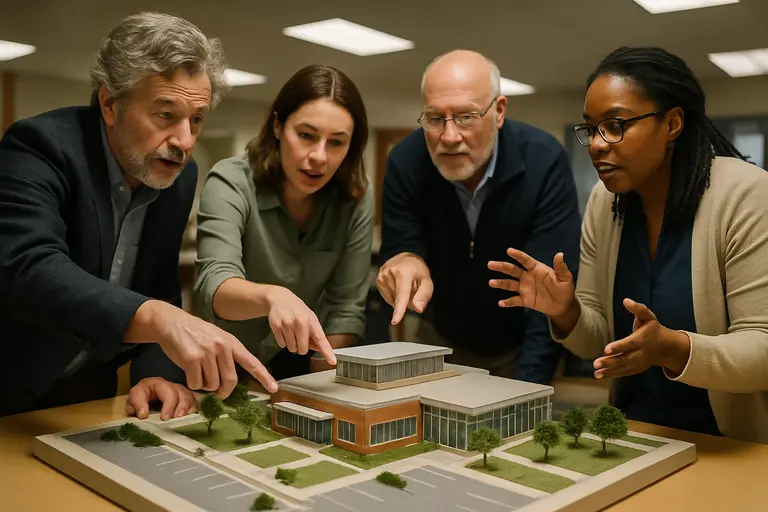
The documented needs go beyond cosmetic repair. The Houston Chronicle reported that priorities included safer layout, accessible design for athletic programs, expanded space, better storage for adaptive sports equipment, and upgrades to recreation spaces. The same reporting described a goal of making the center more of a one-stop location where residents could use recreation and adaptive sports facilities while also accessing services such as medical aid and housing assistance under one roof. That concept raises design questions about privacy, circulation, staff space, and clear separation between active recreation and service intake areas.
Mayor John Whitmire and Council Member Abbie Kamin were reported as saying the administration was reviewing plans for the facility’s future use and viewed the center as a significant asset. That statement signals civic interest, but it does not establish a final scope, bid date, or construction calendar. As of the April 2025 reporting included in the research, no definitive construction start date had been announced, and planning and design were still in progress. As of September 9, 2026, this article cannot confirm a later schedule from the materials provided, so residents should verify any new dates through City of Houston channels before changing plans around the center.
Resident Priorities For MMSC Renovations
Resident oversight should focus on whether MMSC Renovations match the daily needs of people who already use the facility. The center serves people with disabilities more effectively only if repairs, expansion, accessible design, and service planning are coordinated before construction begins. A phased project can reduce disruption, but only if the city states what remains open, what shifts off-site, how transportation and drop-off areas will function, and how residents can raise access issues while work is underway. Those details are not confirmed in the research provided, so they remain appropriate questions for future public meetings.
The civic next step is not speculation about a groundbreaking date. It is documentation. Residents should ask for written scope updates, meeting records, design milestones, and a clear contact point at the Houston Parks and Recreation Department or the Mayor’s Office for People with Disabilities. For a public facility with adaptive recreation, service access, aging infrastructure, and potential site work, the most useful public input will be specific: what must remain accessible, what has failed, what should be repaired first, and how new work can manage drainage without creating barriers at entrances, sidewalks, and outdoor circulation routes.