

Potomac Interceptor repairs remain a local civic issue for District of Columbia, Maryland, and Virginia residents because the damaged sewer line connects suburban wastewater flows to DC Water’s Blue Plains treatment plant. According to DC Water public notices supplied in the research record, a 72-inch section collapsed near Clara Barton Parkway in Montgomery County, Maryland, on January 19, 2026, releasing an estimated 243 million gallons of untreated wastewater into the Potomac River. The next practical step for residents is to track agency notices by location, date, river-use advisory, and construction impact rather than relying on informal updates.
The Potomac Interceptor is not a small neighborhood pipe. DC Water describes it as approximately 54 miles long and carrying about 60 million gallons of wastewater each day from parts of Virginia and Maryland, including the Dulles Airport area, to Blue Plains. That scale explains why public notices have covered emergency repair, river sampling, environmental restoration, and future vulnerable segments. For those interested in how civic information is shared across regions, examining One United Michigan can provide insights into a connected civic network, while decisions affecting the Potomac River corridor should be checked against DC Water, DOEE, EPA, and park-agency updates.
Potomac Interceptor repairs Timeline
Potomac Interceptor repairs At Clara Barton Parkway
The January 19, 2026 collapse near Clara Barton Parkway set the main sequence of public notices in motion. DC Water reported that the emergency response included bypass pumping, with the C & O Canal used in the emergency repair effort. That temporary setup mattered for residents because it connected sewer repair work with park access, river contact advisories, and restoration plans in a corridor used for recreation and commuting.
The Potomac Interceptor repairs moved from emergency response to restoration after DC Water reported that full flow through the damaged section was restored on March 14, 2026. DC Water also reported that the bypass pumping system was deactivated after emergency repair work was completed. For residents reading older notices, that date is a key dividing line: notices before March 14 focused on stabilizing flow and limiting discharge, while later notices shifted toward long-term rehabilitation, environmental restoration, and inspection of other weak segments.
Flow Restoration And Longer-Term Work
DC Water’s public notices in the research record state that the longer-term rehabilitation project will repair more than 2,700 linear feet of the interceptor using slip-lining and high-strength geopolymer lining. The same notices said the work was expected to take 9 to 10 months after emergency repairs were finished. Because the research notes do not provide a confirmed completion date after September 10, 2026, residents should treat schedule language as subject to later agency updates.
That distinction is useful in public-comment settings. A completed emergency repair does not mean every related construction, inspection, or habitat-restoration task has ended. Residents reviewing notices should separate four categories: sewer-flow restoration, long-term pipe rehabilitation, river water-quality monitoring, and park or canal restoration. Each category can have a different contractor schedule, agency lead, and public impact.
River Advisories And Public Health Notices
Contact Advisory Status
The District Department of Energy & Environment stated that the advisory to avoid recreational contact with Potomac River water due to bacteria and untreated sewage concerns had been lifted as of March 2026, while swimming remained prohibited until required testing thresholds were consistently met; DOEE also stated that drinking water supplies remained safe throughout the incident DOEE FAQ. For residents, the distinction between recreational contact, swimming, and drinking water is not just technical language. It affects how public notices should be read before boating, fishing from the shoreline, using river-adjacent trails, or participating in permitted river events.
EPA later announced that it had fully demobilized its federal response presence on May 6, 2026, and said remediation goals for Potomac River recovery from the spill had been achieved ahead of schedule EPA release. That federal demobilization did not erase the need for local monitoring notices. It did mark a change from federal emergency response toward local and utility-led follow-through.
Sampling Changes After August 7, 2026
DC Water’s update record states that, as of August 7, 2026, water-quality testing in the Potomac River was reduced from daily sampling to twice a week at six Maryland locations closest to where the January spill occurred. The research notes state that schedule continued through September 10, 2026. No later sampling schedule is included in the supplied research, so any statement about testing after that date would require a fresher agency notice.
This is where cautious civic reading matters. A reduced sampling frequency can indicate that emergency conditions changed, but residents should not infer that all river-use restrictions ended unless a named agency says so. Public notices should be checked for the sampling location, pollutant or bacteria measure, advisory wording, and the date the notice was issued. Older notices may remain searchable online even after agencies update conditions.
Repair Sites And Resident Impacts
Pennyfield Lock And Other Priority Locations
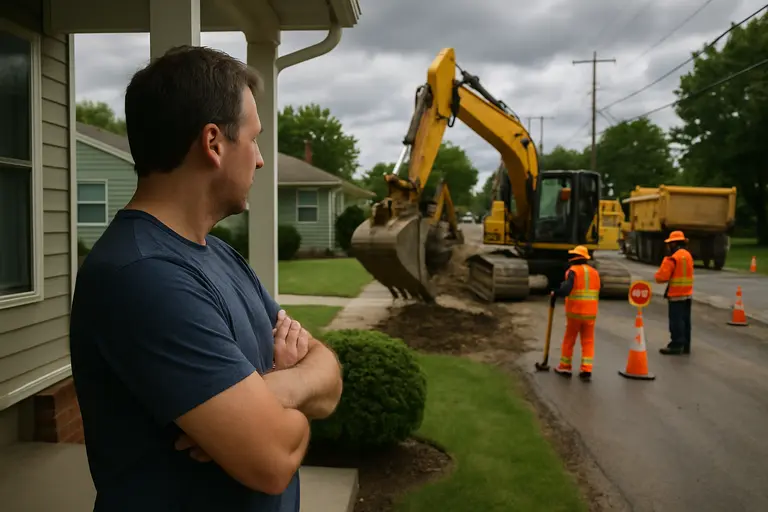
DC Water identified four other emergency repair sites for vulnerable Potomac Interceptor segments in the research record: Broad Run in Virginia, Pennyfield Lock in Maryland, Clara Barton Parkway near the Maryland and District border, and a location near Dulles Airport. DC Water’s stated prioritization factors included structural risk and proximity to drinking water intakes. Those factors matter because they tie repair order to public health protection, system failure risk, and regional wastewater reliability rather than to convenience alone.
The research notes state that work at Pennyfield Lock, also identified as Lock 22, began around June 15, 2026, due to corrosion, with construction expected through October 2026. The same notes identify bypass piping, excavation, and limited trail and parking impacts in that area. Since October 2026 is still after September 25, 2026, residents using that corridor should verify the latest access notice before assuming normal parking or trail conditions.
How Residents Can Read Public Notices
Residents can reduce confusion by reading each notice as a record of agency action rather than as a general river-status statement. A sewer construction notice may address bypass piping and excavation but say little about bacteria sampling. A river advisory may address contact risk but not explain contractor access. A restoration notice may describe soil removal, native-plant replanting, wetland repair, or canal-liner work without changing the status of sewer rehabilitation.
The research notes state that environmental restoration was planned in two phases. The first phase, involving removal of affected soil in the C & O Canal, was expected to be substantially completed by late summer 2026. The second phase, including replanting native species, restoring wetlands, and repairing the canal liner, was expected to be finished in fall 2026. Because the supplied research does not confirm whether the first phase was completed by September 25, 2026, residents should look for a dated agency update before treating planned completion as confirmed completion.
For a broader example of how infrastructure notices can affect residents’ expectations around schedules, funding, and access, this site’s report on drainage rehabilitation updates shows why date-specific public works communication matters. The same reading habit applies here: check the issuing agency, date, geographic limits, and the specific public action requested.
Potomac Interceptor repairs Notice Checklist
Questions For Public Meetings And Agency Updates
For Potomac Interceptor repairs, the most useful resident questions are specific and tied to notice language. Broad concern about river health is reasonable, but agencies can respond more clearly when residents ask about a named segment, sampling period, park access point, or repair method. Civic groups, advisory neighborhood bodies, watershed organizations, and neighborhood associations can use the same structure when collecting questions for agency briefings.
- Which agency issued the notice, and what date appears on it?
- Does the notice concern sewer flow, river sampling, park access, restoration, or construction staging?
- Which location is named: Clara Barton Parkway, Pennyfield Lock, Broad Run, the Dulles Airport area, or another segment?
- Does the notice report completed work, planned work, or an expected schedule that may change?
- Are river-contact, swimming, fishing, trail, parking, or canal-use conditions addressed separately?
Residents should keep those distinctions visible when sharing information with neighbors. As of September 25, 2026, the supplied research supports several settled facts: the January 19 collapse occurred, full flow through the damaged section was restored on March 14, the federal response presence was demobilized on May 6, and DC Water had identified further vulnerable repair sites. Other items, including restoration milestones after late summer 2026 and any testing plan after September 10, 2026, require current agency confirmation before being treated as complete.